Hiring vs Buying an EWP for Tree Work: Which Makes Sense
5 min read

Short version: for most tree service operators, hiring an EWP for the jobs that specifically call for one is the more sensible default, and buying only starts to make clear financial sense once a business is running an EWP often enough, and predictably enough, that ownership costs (purchase or finance, maintenance, insurance, storage, transport, depreciation) are reliably lower than what hire would have cost across the same run of work. There's no single break-even number that applies to every operator, it depends heavily on your job mix, so this is about the tradeoffs to actually run the numbers on, not a fixed answer.
What EWPs bring to tree work
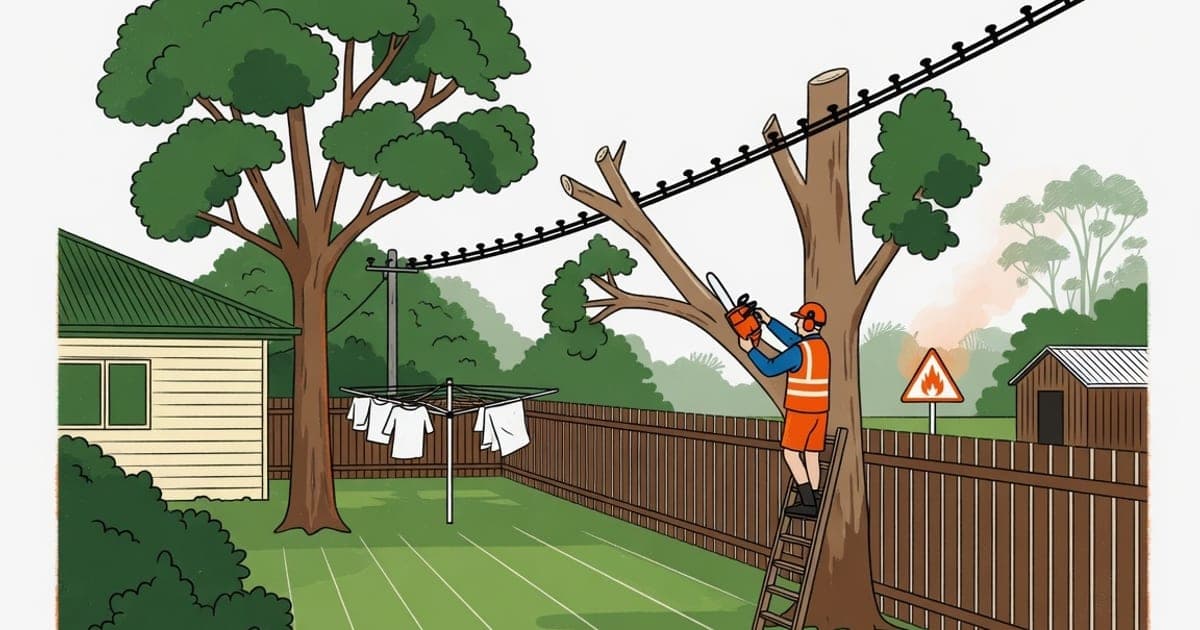
An elevated work platform lets a worker access height without climbing the tree itself, which matters for jobs where climbing access is difficult, unsafe, or simply slower than platform access would be: trees with limited climbable structure, work near power lines or other hazards where a controlled platform position is safer than a climber's, high-volume pruning or removal work where platform access speeds the job up materially, and situations where ground conditions or site access suit a machine better than a climb. Not every job needs one, plenty of tree work is genuinely faster and more practical climbed, but for the jobs that do call for one, there often isn't a good substitute.
The case for hiring
Lower fixed cost. Hire cost is entirely tied to actual use, you pay for the days or weeks you need the machine, not for it sitting idle in the yard on every day you don't have EWP-suited work booked. For an operator whose EWP-suited jobs are irregular or seasonal, this alone often makes hire the cheaper option overall, even though the per-day hire rate looks expensive compared to a notional "cost per day" of an owned machine spread over a full year.
No maintenance, storage or depreciation burden. The hire company carries servicing, compliance inspections, breakdown risk and the machine's ageing and eventual replacement. That's a real, ongoing cost and a real source of business risk that hiring removes from your side of the ledger entirely.
Right machine for the job. Different jobs call for different EWP types and reach, spider lifts for tight, sensitive access; larger truck-mounted platforms for reach and capacity on more open sites. Hiring lets you match the machine to each specific job rather than owning one machine and either forcing every job to suit it or hiring a second type anyway for the jobs that don't.
No transport and logistics overhead between jobs, in many cases the hire company delivers and collects, which removes towing, storage and machine-moving logistics from your day entirely.
The case for buying
Lower cost per use, at real volume. If your business is running EWP-suited work regularly and predictably, weekly or more, ownership can genuinely undercut cumulative hire costs over a year or more, once purchase or finance cost is spread across enough billable use.
Availability on your own schedule. Owning a machine means never being caught out by a hire company's availability during a busy period, or paying premium short-notice hire rates when a job comes in urgently.
Brand and consistency. Operators get to know one machine intimately, its quirks, its maintenance needs, its exact capability, which some crews genuinely value for both efficiency and safety familiarity over constantly adapting to whatever hire unit turns up.
The real costs to weigh against those benefits are significant and easy to underestimate: purchase price or finance repayments, insurance, scheduled servicing and unscheduled repairs, storage when not in use, transport (a tow vehicle rated for the machine, or a truck-mounted unit's own running costs), compliance inspections, and depreciation. A secondhand EWP purchase also carries its own inspection risk, hydraulic and structural condition on a used platform deserves the same serious scrutiny as any other secondhand machinery in this trade, arguably more, given it's designed to lift a person into the air.
Certification and ticket requirements
This is a genuine compliance question, not a formality, and it applies regardless of whether the machine is hired or owned. Operating certain classes of EWP in Australia requires the operator to hold the relevant licence or ticket, commonly discussed in the industry as a "yellow card" or WHS-equivalent high-risk work licence for boom-type EWPs above a certain boom length, with different rules potentially applying to scissor lifts and smaller platforms versus larger boom lifts. Exactly which classes require which ticket, and the current training and assessment pathway to get one, is set by national and state work health and safety frameworks and does change, so check current requirements directly with your state or territory WHS regulator or an approved training provider rather than relying on general industry chat, including this article, for the specific rule that applies to the exact machine you're planning to operate.
Hire companies will generally ask for evidence of the relevant ticket before handing over a machine that requires one, which is itself a useful practical check: if a hire company is asking, that's a strong signal the certification requirement is real and current for that machine class.
Making the call for your business
A useful exercise before deciding either way: look back over the last twelve months of jobs and honestly tally how many would have called for an EWP, how many hire days that would have added up to, and what that hire spend actually came to. Compare that figure against a realistic estimate of full ownership cost, purchase or finance, insurance, servicing, storage and transport, for the same period. For a lot of operators the answer is clearer once it's actually on paper than it felt from instinct alone, and it's worth redoing the exercise periodically as your job mix changes, a business that grows into more EWP-heavy work over a couple of years can cross the break-even point without anyone noticing until they run the numbers again.
Whichever way the maths lands, machinery condition matters just as much as the hire-vs-buy decision itself if you do go the ownership route. The same disciplined inspection approach covered in our used stump grinder and used woodchipper checklists, hours, service history, hydraulic condition, safety systems, applies just as much to a secondhand EWP.
Browse EWP and access equipment listings if you're weighing a purchase, and compare what's actually on the market against your hire cost estimate before committing. Selling an EWP your business has moved on from, list it free with full service history and hour details, buyers evaluating this exact hire-vs-buy decision are exactly the audience reading your listing closely.